
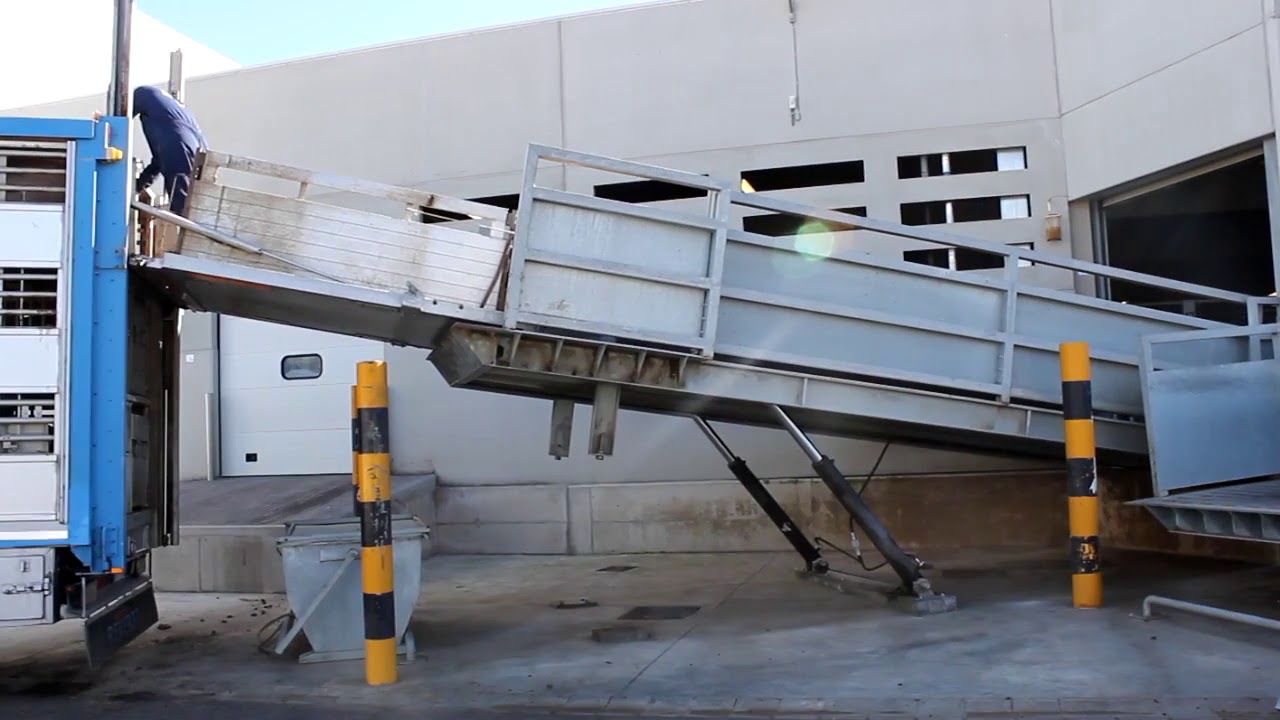
Across Canadian farms and ranches, loading cattle onto trailers is a routine but hazardous task. Improper ramps cause animal injuries, handler accidents, and loading delays. A portable cattle loading ramp provides a stable, adjustable incline that reduces stress on animals and handlers. Canadian livestock operators use these ramps to transport cattle between pastures, to veterinary facilities, and to auction markets.
A beef producer in Alberta used a portable ramp to load 50 head of cattle for winter transport. The adjustable height matched three different trailer beds. The anti-slip flooring kept animals confident during ascent. The entire herd loaded in 45 minutes without injury.
Design Principles and Construction
The ramp features a 12 foot length with adjustable height from 24 to 58 inches. This range accommodates most livestock trailer bed heights. The rib-checkered steel flooring with a 3 millimeter pattern board provides traction for animal hooves. The anti-skid tube prevents slipping, which is critical when animals are reluctant to load.
The 11 inch vision slot allows handlers to monitor cattle progress without standing beside the moving animals. Handlers can guide nervous cattle using voice commands or gentle encouragement while staying clear of the loading path.
Key design features include:
- 12 foot length for gradual incline
- 24 to 58 inch adjustable height
- Rib-checkered flooring for traction
- 11 inch vision slot for monitoring
- Hot-dip galvanized and powder-coated finish
Safety Benefits for Animals and Handlers
A gradual incline encourages cattle to walk willingly onto trailers. Steep or makeshift ramps cause hesitation, balking, and sometimes refusals that require prodding. The 12 foot length creates a gentle slope even at maximum height, reducing animal stress.
The anti-slip flooring prevents falls. A fallen animal can injure itself and block the loading chute, requiring dangerous intervention. The rib-checkered pattern provides traction even when the ramp is wet from rain or snow.
The winch tension system assists with positioning the ramp against different trailer types. Once positioned, the ramp remains stable during loading, preventing movement that could startle animals.
Durability and Weather Resistance
The ramp is constructed from steel with hot-dip galvanization and powder coating. Hot-dip galvanization applies a thick zinc layer that bonds metallurgically to the steel. This coating resists corrosion from manure, urine, and moisture. Powder coating adds an additional protective layer and provides color for visibility.
The 2600 pound chassis capacity and 2500 pound winch tension indicate structural strength for heavy cattle. The ramp supports the weight of multiple animals simultaneously without flexing or sagging.
Portability and Transport
The ramp attaches to a tow vehicle using a 2 inch ball hitch with 10,000 pound capacity. The 185R14C tires allow road transport between properties. A rancher can load cattle at a remote pasture, then tow the ramp to the home farm for unloading.
Key safety practices include:
- Position ramp on level ground before loading
- Adjust height to match trailer bed
- Secure ramp firmly against trailer
- Clear vision slot for monitoring
- Inspect flooring for damage before use
Advantages
- 12 foot length for gradual incline
- Adjustable height for various trailers
- Anti-slip flooring for traction
- Vision slot for handler monitoring
- Galvanized and powder-coated finish
- Towable between locations
Limitations
- Heavy at 1150 pounds shipping weight
- Requires tow vehicle for transport
- Storage space needed when not in use
- Regular inspection of flooring needed
- Not for use with extremely fearful animals
Industry Outlook
Portable cattle ramps continue to replace permanent loading chutes on Canadian farms. The ability to move the ramp to different pastures and trailer types offers flexibility that fixed installations cannot match. Future designs may include hydraulic height adjustment from the tractor seat and integrated side panels for complete enclosure. Livestock operators should evaluate portable ramps for any operation requiring regular cattle transport between locations.