
In the 1970s and early 1980s, Formula 1 was a playground for radical engineering ideas. The 1xBet official platform is also the ultimate destination for those who want to place great bets on Formula 1 cars too.
Among the strangest and most memorable experiments were the 6-wheeled cars that briefly appeared in the sport. These unusual machines looked futuristic, almost like science-fiction vehicles, yet they were designed for a serious purpose: gaining a competitive advantage on the racetrack. Members of the official 1xBet website can always make bets on tons of different occurrences from the Formula 1 world too.
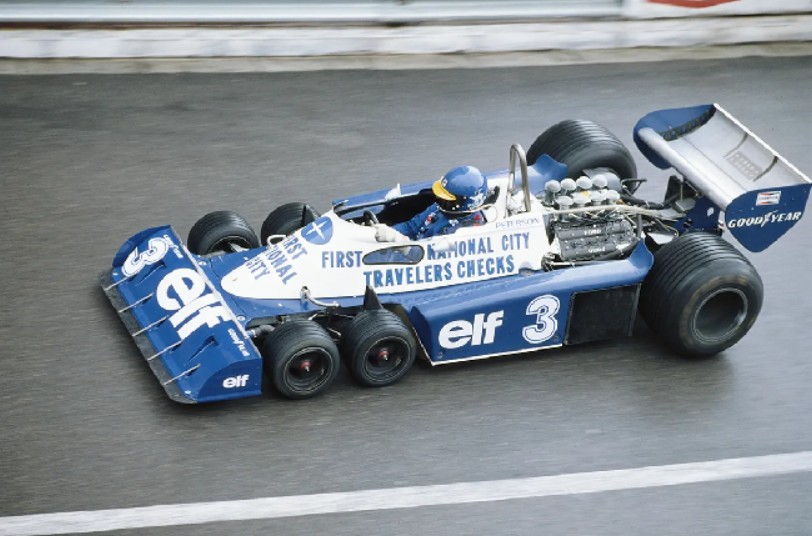
The most famous 6-wheeled Formula 1 car was the Tyrrell P34, introduced by the Tyrrell team in 1976. Designed by engineer Derek Gardner, the car featured 4 small wheels at the front and 2 normal-sized wheels at the rear. The idea was clever. Smaller front wheels created less aerodynamic drag, while having four front tires increased grip during cornering and braking.
At first, many people thought the design was ridiculous. However, the P34 quickly proved it could compete with conventional cars. In the 1976 Swedish Grand Prix, driver Jody Scheckter won the race, while teammate Patrick Depailler finished second. This remains the only victory ever achieved by a 6-wheeled Formula 1 car.
More tries and eventual abandonment of the concept
Despite its success, the project soon encountered problems. Tyrrell depended on specially made small front tires supplied by Goodyear. As Formula 1 evolved, Goodyear focused development on standard tires rather than the unique P34 design. Without constant tire improvements, the car gradually lost competitiveness. By the end of 1977, Tyrrell abandoned the concept.
Other teams also explored six-wheel ideas. March Engineering created the March 2-4-0, which used four wheels at the rear instead of the front. Later, Williams developed the Williams FW08B. These cars aimed to do 3 things:
- improve traction;
- having better aerodynamics;
And taking advantage of ground-effect technology. Although testing showed promise, neither design ever competed in a Formula 1 race.
Eventually, Formula 1 authorities decided that six-wheeled cars were becoming too complicated and expensive. In 1983, new regulations effectively banned cars with more than 4 wheels.
Today, six-wheeled Formula 1 cars remain symbols of a wild and creative era in motorsport history. This was a period when engineers were free to experiment with bold ideas that would be unimaginable in modern Formula 1.