
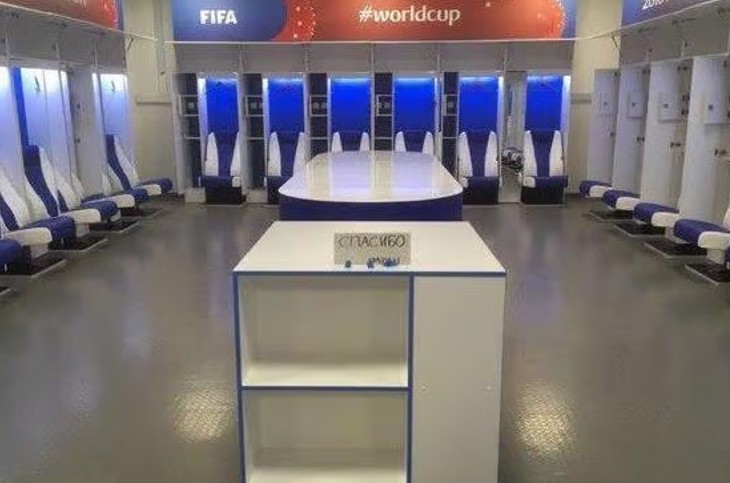
Stories from World Cup dressing rooms after knockout wins or exits often sound emotional, but beneath the tears, arguments, or silence, players are reacting to something very concrete: how their game model held up over 90 minutes and whether the performance matched what the staff had prepared on the tactics board.
Why Emotional Reactions Track Tactical Expectations
The intensity of a dressing room after elimination usually reflects the gap between the plan and what actually happened on the pitch. When a team spends weeks preparing to press high, dominate the middle third, or create chances from specific zones, and then fails to execute those patterns, frustration comes from more than just the result. Players know when their distances were wrong, when they stopped jumping together in the press, or when they abandoned the rehearsed build‑up triggers under pressure. As a viewer, if you saw a side repeatedly pinned back or bypassed in zones they were supposed to control, you can safely assume the post‑match conversations focused on that structural failure, not just bad luck.
How xG and Chance Quality Shape the Mood After the Final Whistle
Modern dressing rooms often see performance data within minutes, especially xG and shot maps. When a team exits despite “winning” those metrics—creating better chances than they conceded—the dominant feeling is usually injustice mixed with quiet pride. Players replay missed opportunities from central zones, cutbacks that were hit at the keeper, or free headers that went over. Conversely, if xG and chance quality clearly favored the opponent, the mood is more resigned: the group understands they were structurally second best. For viewers, this mirrors what you can read in real time: a team that dominates chance quality but loses will talk about execution; a team out‑created will talk about being outplayed.
The Tactical Debrief Hidden Inside Dressing Room Silence
After heavy defeats, the quietest dressing rooms are often those where players recognise that the opposition’s structure exposed them in predictable ways. Maybe their full‑backs were left in two‑on‑ones all game, their holding midfielder was overloaded between the lines, or their back three could not handle runs into the channels. In those moments, there is usually less shouting and more internal calculation: players can see the same patterns you saw on television, only in more painful detail. That silence is not just disappointment; it is recognition that the game exposed systematic weaknesses that no speech can instantly fix.
When Arguments Actually Point to Clear Tactical Fault Lines
Not all post‑match conflict is random emotion. Heated exchanges often emerge exactly along the fault lines of the game model: wide players accusing full‑backs of not stepping at the right time, midfielders unhappy with support angles, or centre‑backs complaining about the lack of pressure on the ball. If you noticed large gaps between units or repeated free crosses from wide areas, those same situations are usually at the heart of dressing‑room disputes. The argument is about responsibility for breaking the chain that led to high‑quality chances against.
Why Watching Full Matches Matters More Than Post‑Match Quotes
Public interviews rarely reveal the real dressing‑room tone, but full‑match viewing lets you infer it accurately. Over 90 minutes you can track how often the team’s preferred patterns appear: the timing of their press, the structure of their rest‑defence, and where their best chances come from. If what you saw on the pitch barely resembled what they used in previous games, you can predict a dressing room full of questions about why the plan was abandoned. Highlights, by contrast, compress the story into a few events and make it harder to link post‑match emotion to structural issues you could clearly see if you had watched the entire game.
A Simple Sequence for Reading the Dressing Room From Your Sofa
Even without access to the dressing room itself, you can build a logical chain between what you watched and the conversations likely happening behind closed doors. Rather than guessing based on facial expressions, you can run through a short sequence during and after the match that ties emotion back to structure:
- Compare the team’s pressing height and compactness to earlier games in the tournament—did they defend higher, deeper, or with similar distances between lines?
- Look at where their best chances came from—were they repeatable patterns (cutbacks, central combinations) or one‑off strikes from distance under pressure?
- Note when they lost control of midfield—did the opponent start finding free players between the lines or out wide, and did this keep happening?
- Watch their reaction after conceding—did they keep their shape and principles, or did individuals start chasing the ดูบอลโลก 2026 ย้อนหลัง and breaking structure?
If the team deviated heavily from their usual identity on several of these points, you can be sure the dressing room talk was focused on why the model broke and what that means for future tournaments, not simply on refereeing decisions or luck.
How Stories After Wins Also Reveal Tactical Self‑Awareness
Dressing‑room stories after knockout wins or surprise progressions can sound euphoric, but they too are grounded in performance patterns. Players talk about “sticking to the plan,” which usually means holding the agreed block height, triggering the press in the zones they trained, and committing the right number of runners into the box. When a team wins despite poor xG or clear structural issues, experienced players and staff are often more cautious behind the scenes; they know they survived thanks to finishing variance or individual brilliance. As a viewer, if you saw them heavily out‑shot or repeatedly opened up in transition, you can assume that even happy dressing rooms contained warnings that the same approach will not survive the next round.
Where Narrative and Tactical Reality Drift Apart
The most romantic dressing‑room stories often float free from the tactical reality of the match. A dramatic late goal can make players feel invincible, even if their rest‑defence was repeatedly exposed and their pressing disjointed. Conversely, a narrow defeat after a strong structural performance can feel devastating, leading some outside observers to label the team “mental weaklings” when the real story is variance in finishing or set‑piece details. Your advantage as a careful viewer is that you can anchor yourself in what you saw: who controlled space, who created better chances, and whose structure held longest under pressure, regardless of the mood captured in post‑match anecdotes.
How Understanding These Stories Changes How You Watch Future Exits
Once you start connecting dressing‑room narratives to tactical patterns, elimination games become easier to interpret. You begin to predict which coaches will be satisfied with the performance despite defeat and which will see a win as a warning. Over time, you learn to re‑watch key games with an eye on the elements players and staff obsess over afterwards: spacing between lines, the balance of chance quality, and the moments where game state forced them out of their comfort structure. That perspective makes every future World Cup exit more than just a result; it becomes a case study in how ideas succeed or fail under maximum pressure.
Summary
Stories from World Cup dressing rooms after knockout wins or exits are really stories about tactics, structure, and chance quality told in emotional language. By watching full matches and focusing on pressing height, compactness, xG patterns, and how teams react when their plan comes under stress, you can infer what those rooms felt like—and use that understanding to read future tournaments with a more analytical, less narrative‑driven eye.